Healthcare from the perspective of a clinician encompassing both the capture of the clinical viewpoint as well as the technology to help clinicians capture knowledge at the point of care
The thoughts expressed are my own and do not necessarily represent those of Nuance
Like many I was saddened to hear the loss of one of my heroes growing up - Leonard Nimoy was Spock to me as he was to many others. He epitomized the value of science and logic in the resolution of problems
Spock: “Do not grieve, Admiral. It is logical: the needs of the many outweigh…” Kirk: “The needs of the few…” Spock: “Or the one.”
He spoke out on smoking - something that in the end killed him before his time in this tweet from January 2014:
I quit smoking 30 yrs ago. Not soon enough. I have COPD. Grandpa says, quit now!! LLAP
I quit smoking 30 yrs ago. Not soon enough. I have COPD. Grandpa says, quit now!! LLAP
— Leonard Nimoy (@TheRealNimoy) January 30, 2014
30% of people will suffer serious Chronic Obstructive Airways Disease (COPD) as a result of smoking - and that's just one of a slew of diseases inextricable linked to smoking. Smoking while in decline in some countries is on the rise in others and this major health risk remains one a negative impact on personal health
You can explore WHO data in this interactive chart from who here
But don't limit the application of science to health and smoking - you can put Vaccines in the same category of Science and Logic. Jimmy Kimmel captured the sentiments aptly in this segment featuring real doctors
So much of your health boils down to Lifestyle choices that was so elegantly captured by Brigitte Piniewski, MD in this chart
Where would you rather be - fun or no fun
Spock the Hero with Super Powers
We may wish for the seriously cool vulcan Nerve Pinch
But we don’t need the vulcan nerve pinch. He and his character have taught us that science while not infallible has been working for us for millennium. We have started to tap into the power of science and the opportunity offered to our health and well being.
...for god’s sake don’t think that you know as much as a doctor because you Googled something. Medical training takes up to a decade or longer (depending on the specialty), so a 0.452 second Google search does not substitute for consulting with an actual physician whose only interest is your health.
We are only at the beginning - what comes next and in our future is unimaginable. Our innovation, inventiveness and abilities continue to expand our universe and our understanding. Science wins- every time. Be logical with that splash of human emotion and honor his legacy - open your mind, analyze the facts and apply the science. As Jesse: Yeah, Mr. White! Yeah, science!
Live Long and Prosper (LLAP)
or perhaps
Live Long, Logically and Prosper (L3AP)
On a side note - if you are interested in the history of the Spock Vulcan Salute - Live Long and Prosper you can watch his explanation of his Jewish Origins here (derived from the Hebrew letter shin and the first letter of several hebrew words Shaddai (god), Shalom (hello/goodbye/peace) and Shekhinah (feminine word for god) - How Fascinating!
I have the privilege of spending a lot of time on the road interacting with clinicians around the country (and world). I hear with too much frequency many doctors complaining about the Electronic Medical Record and how it fails to help them and in many cases makes their work harder. Some of this is a hangover from the past and the inadequate technology and in some cases hardware at the time
In fact I’ve told this story a number of times that I can date to around 1995/6 and in this piece: Clinical documentation in the EHR
Many years ago, an excited friend who worked for one of the electronic health record (EHR) vendors at that time — it was really more of a billing and patient tracking and management system than an EHR — was desperate to show me some of their latest applications. In particular, a new module they had developed to capture clinical data.
My friend pulled out his laptop, fired up the application, selected a patient and proceeded to enter blood pressure (BP). Some 20-plus clicks later, he had entered a BP of 120/80. While he was excited, I was dumbfounded. When it comes to patient care, doctors didn’t have time for 20 clicks to record BP years ago and they definitely don’t have that luxury in today’s demanding medical environment.
There is still some of that going on and not enough focus on the User Interface design and turning the technology into a barrier - this is the focus of the Art of Medicine campaign we launched some weeks ago
This article on Government HealthIT Are electronic health records already too cluttered? highlights a rising problem and one I hear about frequently. This is not just a healthcare problem and it is the focus of the work by Edward Tufte an American statistician and professor emeritus of political science, statistics, and computer science at Yale University who is well known for his books on information design which are bets acquired by attending one of his frequent courses on data visualization
Here is a recent overview of visualization on the iPhone
He has a section on healthcare but many of his principles apply
For Brian Jacobs the problem was even more acute working in a Pediatric ICU:
The ICU is a very toxic and tech-laden environment….because of that, it offers the opportunity to make a lot of mistakes
As he points out much of the cutter derives form the multiple notes entered into the EHR every day. "It’s not uncommon in teaching hospitals to have six to seven notes per day on one patient, by the time the attending physician, residents, consultants, other doctors and fellows check on the patient."
So they instituted a policy of One Note per day
Actually its
It’s actually one note per team per patient per day; one giant multi-contributor note. They still may be all writing their components, but it’s one note
With a template to hold the content generated each morning by the resident and then everyone contributing to that one note, adding and amending as necessary
So in addressing the issue clutter they also addressed usability and design turning the note into a living breathing document that is updated and maintained by the team that now takes care of patients
But he addressed some other important issues - especially when it comes to quality of care and the quality of the medical note
Copy Forward is subject to some warranted scrutiny from a billing and audit standpoint. Much of the repetitive and “clutter” in the note comes form the copying forward of past information. But:
These notes should never be the same
And as part of that message they moved to an "End-of-day note” that was a fresh summary of the patient.
Add to that an updated and well maintained Problem List and integration with the billing system to allow doctors to select their code for the work carried out that day and they moved to a valuable addition to the healthcare team in delivering quality healthcare with their EHR
EHRs are: more complete, legible, accessible and can be auto-populated and searched. They can provide diagnosis codes and they’re good for billing. On the other hand, they can sometimes lack quality information and are by far, too cluttered.
I said this back in 2003 (yikes!) - The Future of Technology is already here - Who’s on Board the train and who’s left at the station. I still believe it and understand that the technology does need to get better and be more integrated into the existing workflow
The next generation of health care technology is here, with visionaries and futurists pushing the envelope to enhance, create and generate the newest cutting edge in health care delivery. Advances in technology, like advances in medicine, are a shared entity that enhances life expectancy and the quality of life.
Most Patients Don’t Mind Electronic Note-Taking During Exams
In each case, more than 80 percent of respondents indicated they would not be bothered. On a sliding scale, patients indicated the least concern for doctors using tablets during the exam.
What was more surprising was the push back by patients on having scribes
But worst of all - recording devices
Ultimately, over one-third of patients said they’d be bothered by doctors using tape recorders to assist in charting medical notes. Specifically, patients at the furthest end of the spectrum—those who chose “would bother me a lot”—were more prevalent when it came to tape recordings than with any other method of charting during an exam.
There was a big preference to Electronic documentation at the point of care
They asked about reasons for dissatisfaction
Its not the technology that causes the dissatisfaction but in order of importance (for patients)
long wait times at the doctor’s office,
unfriendly staff
short duration of visits with the doctor
Trouble Scheduling Appointment
And coming in with a sliver of dissatisfaction at 5% “Doctor using a Computer in the exam room"
Steven J. Stack, MD, past chair of the American Medical Association (AMA); served on multiple federal advisory groups for ONC on HIT, practicing emergency physician
Keith Dreyer, DO, PhD, FACR, Vice Chairman of Department of Radiology, Massachusetts General Hospital
Adam Landman, MD, MS, MIS, MHS, CMIO, Health Information and Integration at Brigham and Women's Hospital (@landmaad)
and moderated by Paul Weygandt, MD, JD, MPH, MBA, CCS, CPE, Vice President of
Physician Services, Nuance Communications
The panel is taking place this Thursday from 9 - 11am at the Boston's W Hotel, 100 Stuart St, Boston, MA. If you have not already you can register here: www.nuance.com/artofmedicine. The event is free of charge,
“If we want doctors to do better work, we need to give them better work to do.”
and to do that doctors have to engage in the design of these solutions and the clinical community and the #HealthIT world must address these issues:
Just as we can’t expect a patient with heart disease to know intrinsically to maintain a low-sodium diet, we can’t expect the healthcare industry to know how to fix everything unless we speak up and advocate for change (especially with the other loud voices of insurers and politicians speaking on “our behalf”)
Some solutions are not technical as this Tweet by "Dr K" @MedschoolAdvice)
Sitting down in room makes patients feel you've spent more time w/ them than if u stand whole time, even if u spent same time. So sit
— Dr. K (@medschooladvice) March 21, 2014
We have the rare opportunity to shape the future of healthcare infused with technology and I, for one, want to be part of developing a solution that helps the next generation of physicians offer that comforting touch as they deliver an even greater level of care to their patients
Download the Art of Medicine eGuide here and join me and the panelist on Thursday as they discuss they start to shape a better HealthIT future for everyone. I will be live tweeting from the panel (#ArtofMedicine) and will post a summary after the event.
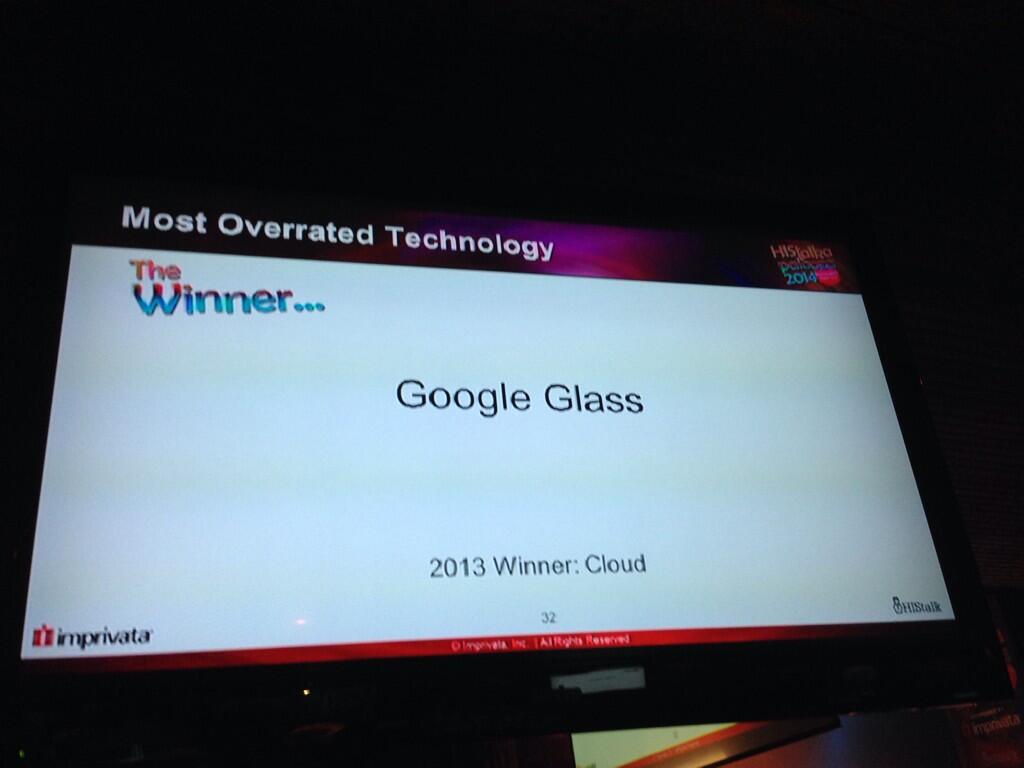
I know I am biased as one of the lucky Google Glass Explorer as can be seen in this post from MedCity Watching for Wearables at #HIMSS14:
I think they are wrong and its not just Glass that will provide better more ready access to essential clinical data.
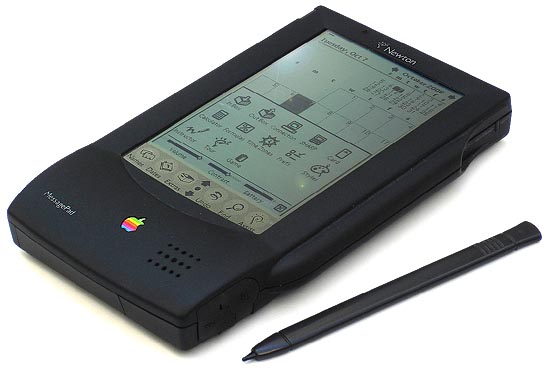
Not to say that the initial program like many launches have had their problems with early releases of technology not quite ready for prime time - remember the 1987 Apple Newton:
Mat Honan (one on the same “Epic Hack”) wrote a piece about his early experiences “My Year with Google Glass” that highlighted some early acceptance challenges
Glass is socially awkward
People get angry at Glass
Wearing Glass separates you
and I would add Glass interrupts normal conversations and social behavior - but that is all now and like the mobile phone I believe it will be come a natural part of our technical fabric. Think back to 2007 and how pulling out a phone in a meeting was frowned upon - now it seems part of the fabric of many of the meetings I attend.
But it was Mat’s commentary on the impact it had on his perception fo phones that really stuck out for me
Glass kind of made me hate my phone — or any phone. It made me realize how much they have captured our attention. Phones separate us from our lives in all sorts of ways. Here we are together, looking at little screens, interacting (at best) with people who aren’t here. Looking at our hands instead of each other. Documenting instead of experiencing.
From initial diagnosis through to surgical therapies, chemotherapy treatments and even end-of-life care, my job is to listen, assess and provide educated decisions that ultimately impact the health and wellness of another human being…. it’s my belief that when talking face-to-face with a patient about a care plan aimed at eradicating their body of a disease that threatens to take them away from their family, there’s no room for paper, computers and/or mobile devices. In these most intimate of conversations, the focus has always and must remain on the communication between the caregiver and the patient on the receiving end. That, in its purest essence, is what practicing the art of medicine is truly all about.
That’s not to say that Google Glass can solve this problem and in its current state and acceptance it might cause more challenges - but the potential is there to blend information access and capture into a physician patient interaction that remains all about the patient
Glass will provide improved access to essential clinical data to clinicians but as my friend Chuck Webster has pointed out on several occasions this is not just for clinicians. Patients are already accessing the internet in droves for clinical information, researching their conditions and that of their relatives and communities abound with resources and support for conditions from common to rare.
Before talking about some of the potential medical applications it is worth detailing the technology. Google Glass is basically a computer with 12Gb of memory attached to your head in the form of glasses. It has a heads up display with voice activation and has some apps that can be installed:
Facts
Google Glass is basically a computer attached to a pair of glasses
Google Glass has a display that is projected in front of the Right Eye that is a high resolution display equivalent of a 25 inch high definition screen from eight feet away
Google Glass has a camera that points forward and can take pictures (5MP) or video (720p) that is closely aligned with the view you see from your own eyes
Google Glass is voice activated using speech recognition to interact with the glass computer
Google Glass works best when connected to the internet
Google Glass Integrates with an Andorid Phone with a limited set of functions available for the iPhone
Google Glass has no built in illumination so pictures or video taken in dark conditions do not work well
The screen can be hard to see in bright light
There are many myths circulating:
Myths
If someone is wearing Google Glass they are recording me
False - The device is not set up to record continuously and will only record a video or photo based on an action by the wearer (either a spoken request
OK Glass, take a picture
or by pressing a button on the google glass device
Once Someone Has recorded something on Google Glass it is Publicly Posted
False - it requires an action on the part of the Glass owner to post the material to the internet otherwise it resides on the Google Glass device. It will be synchronized with the users Google+ account for automatic backup (much like photos are backed up from the iPhone to iCloud but like iCloud remain private to the user unless they elect to share them)
Google Glass is constantly capturing data and transmitting it to the Internet
False. Without an internet connection Google Glass simply stores any recorded information in the glass memory. And unless you have set it to record there is no data being captured
Google Glass tracks users and unsuspecting bystanders
False - Google Glass is not tracking or recording anything unless instructed to do so by the user
So who is using this technology, where are they using it and how are they using it in Healthcare. This article covered some of the early concepts and featured a short list of potential applications
Video sharing and storage: Physicians could record medical visits and store them for future reference or share the footage with other doctors.
A diagnostic reference: If Glass is integrated with an electronic medical record (EMR), it could provide a real-time feed of the patient’s vital signs.
A textbook alternative: Rather than referring to a medical textbook, physicians can perform a search on the fly with their Google Glass.
Emergency room/war zone care: As storied venture capitalist Marc Andreessen proposed in a recent interview, consider ”dealing with wounded patients and right there in their field of vision, if they’re trying to do any kind of procedure, they’ll have step-by-step instructions walking them through it.” In a trauma situation, doctors need to keep their hands free.
Helping medical students learn: As suggested by one blogger, a surgeon might live stream a live — and potentially rare — surgery to residents and students.
Preventing medical errors: With an electronic medical record integration, a nurse can scan the medication to confirm whether it’s the correct drug dose and right patient
In its simplest form just transmitting images in real time can offer some advantages for diagnosis - in Rhode Island they are planning on implementing Google Glass for the ED doctors to obtain real time consults with dermatologists.
And this from Kareo showing a patient education application that records the physician patient interaction and then makes it available afterwards for additional review:
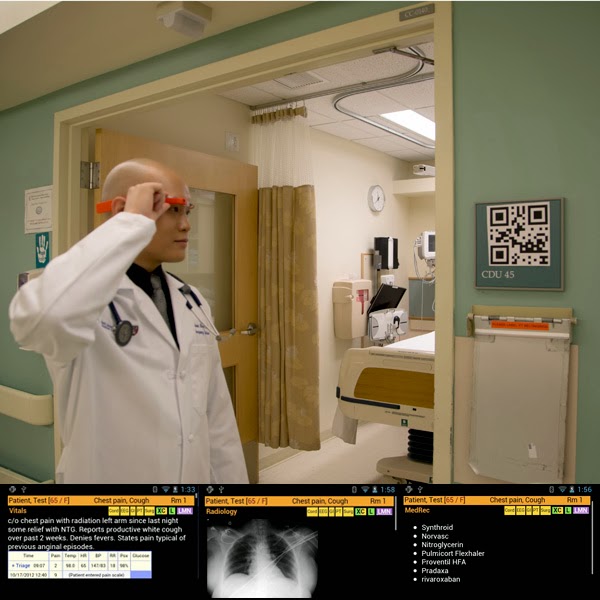
When a clinician walks into an emergency department room, he or she looks at [a] bar code (a QR or Quick Response code) placed on the wall. Google Glass immediately recognizes the room and then the ED Dashboard sends information about the patient in that room to the glasses, appearing in the clinician’s field of vision. The clinician can speak with the patient, examine the patient, and perform procedures while seeing problems, vital signs, lab results and other data.
And this concept by the way was top of everyone's wish list that I talked to in my unofficial survey of engaged and interested observers of my own pair. I'll paraphrase
If I could get it to recognize someone and provide me with their name when I meet them that would be fantastic!
But it is in urgent care where there is so much potential:
"If I want to look at for example radiology I can double tap ‘radiology...There's his chest x-ray, it just popped up, oh he's got a middle lobe pneumonia"
Part 2 will cover medical applications and how Google Glass technology can be applied in a busy clinical setting
The relationship between physicians and patients is at the core of healing. This begins with hearing and understanding. We want to reimagine healthcare—where physicians can get back to the art of medicine and were delighted to be joined by panelists:
Dr. Mark Kelemen, Senior Vice President, CMIO, University of Maryland Medical System Dr. Charles H. Bell, Vice President, Advanced Clinical Applications, Hospital Corporation of America (HCA)
Stuart James, CIO, Sutter Health Dr. Andrew Watson, CMIO, University of Pittsburgh Medical Center (UPMC) (@arwmd)
The panel was moderated by our very own
Dr. Paul Weygandt, Vice President, Physician Services, Nuance Keith Belton, Senior Director, Clinical Documentation Solutions Marketing, Nuance
and attended by some 50 attendees with varying backgrounds and perspectives
The underlying question:
How do return the focus to the patient. How can physicians navigate the changes and challenges of today’s complex healthcare environment while doing what matters most to them – listening and caring for patients?
The panel discussion addresses current physician frustrations with technology and what needs to change to keep them focused on patients and not data entry. It was clear that the physician’s voice and medical decision making is what matters most in practicing the art of medicine and how do physicians and patients both benefit?
We know from surveys that
36% of physicians say that EHRs interfere with face-to-face communication during patient care
80% of physicians say “patient relationships” are the most satisfying part of practicing medicine
28% of an average ER physician’s time is spent directly with patients
and from a recent HIMSS session interesting Patients prefer doctors to have an EHR
This is about the changing face of healthcare – it’s not just about technology. It’s about how we envision healthcare. How do we explain to providers that this isn’t about technology – this is about a new world order coming to healthcare
Posting every patients Magnesium level multiple times in a note is not good clinical care #artofmedicine #himss14
One of our panelists asked the audience:
How many Docs would go to facility with no #EMR and used paper - no hands went up
We do see value in Health Information Technology
One of the overriding concerns was the need for cultural change. The office or hospital based physician system is struggling to meet the patient needs today. They want to have the right nurse or physician there for them at the right time and indeed at the right place with telemedicine. It’s about cloud-based/consumer-based healthcare.
More consumer-friendly healthcare
We need to get back to that local physician practice – with technology in the middle as a supporting actor but not the main event
Technology cannot be an impediment to taking care of patients
Many physicians are in this field because we are trying to drive change but are struggling with the existing system that fail them. When I see a patient I have to review 10 systems, carry out at least 4 major systems examinations before I can submit a claim that properly reflects the care I delivered:
I am not taking care of the patient I am taking care of a computer
Dr Andrew Watson told the story of a patient under his care with a terrible antibiotic resistant infection that a patient developed in hospital and he was now under constant supervision adn intensive therapy. But as he said - he never needed to come into hospital - he could have been treated at home. Poignant reminder that Telemedicine is not just about reducing cost - it can be better for the patient and offer better results.
As a musician he remembers the implementation of the MIDI interface in the early 1980’s that allowed music manufacturers to create one standard that was royalty free and widely adopted for the benefit of the user musicians and the vendors. He wants that in healthcare - so do I.
Until we change the mandate on clinicians to document 8 of 10 systems to be fairly compensated for the care given
And importantly the concept of Bring Your Own Device (BYOD) is bringing functional tools into the healthcare setting and will/is revolutionize the care being delivered. As one panelist put it:
my iPad never complains, is always there, has the latest information and access to latest medical updates
To summarize:
We need strategies for bringing the focus back to the physician-patient interaction and removing impediments to that relationship
Healthcare organizations should be and are encouraging/valuing physician professionalism
This is about the changing face of healthcare – it’s not about technology. It’s about how we envision healthcare. How do we explain to providers that this isn’t about technology – this is about a new world order coming to healthcare
The new Art of Medicine campaign is focused on getting physicians back to their original roots - the reason we all stepped over the threshold of medical education and into an honorable profession to serve our community. Its all about the patient but changes in the healthcare system and in particular changes with technology have taken the focus away from our patients and onto the technology in our office. Recent study conducted by Northwester University highlighted the distraction physicians feel away form their patients by the EMR
As Steve Schiff, MD a practicing cardiologists puts it
As far back as I can remember, there was never a time when I didn’t want to be a physician. It’s a choice in which there is no equivocation: either you want to be a doctor or you don’t.
The campaign includes an e-Guide: The Art of Medicine in A Digital World replete with thoughts, suggestions and concepts to manage the digital world while remaining focused on the most important person in the examination room - the patient. The release was covered in this piece by HIT Consultant and referenced the panel taking place next month in Boston.
Many of the thoughts and ideas were captured in the Top 38 lessons from Digital Health CEO’s from Rock Health. I picked a few choice quotes that capture the spirit and intent fo the Art of Medicine for me:
“Healthcare is yet to be transformed by technology.” - Joshua Kushner “You need a degree of foolishness to cause disruptive change in healthcare. Dare to dream.” - Vinod Khosla “If you’re going to re-invent healthcare you have to start from scratch.” - Vinod Khosla “The key to good product is invisibility for the user.” “Partnership is going to be absolutely key to taking healthcare to the next transition in evolution.” - Sue Siegel
The campaign kicked off this week with this resource page - The Art of Medicine and a short video highlighting the challenges and opportunites
There will be much discussion at HIMSS14 around the topic and we are looking forward to hosting the panel on Thursday, March 27, 2014, 9:00-11:00 a.m. at Boston’s W Hotel. You can find out more and/or register here or come by our booth 3765 at HIMSS14.
“The science of medicine goes nowhere if you leave the human element out of the equation. Curing our patients starts with listening to them.”
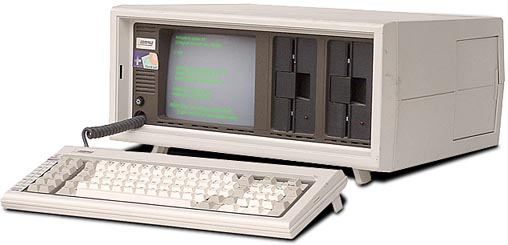
Many years ago I remember an excited friend who worked for one of the vendors of electronic medical records (really this was more of a billing and patient tracking and management system than and Electronic Health record) desperate to show me some of their new applications – in particular a module they had developed to capture clinical data. He pulled out his “laptop” (it was more of a luggable)
Fired up the application, selected a patient and proceeded to enter a blood pressure: click, click, click, click, click, click, click, click…..some 20 clicks later he had entered a blood pressure of 120/80. He was excited and I was not.
I am constantly reminded of this as I watch doctors interact with systems and especially with the ongoing focus on blood pressure (Did you know that May is the National High Blood Pressure Education Month) and the video challenge from ONC
“To create an under 2 minute compelling video sharing how they use health IT or consumer e-health tools to manage high blood pressure”
The winners can be seen here
Key to the challenge is having the data for monitoring as emphasized in the Six Sigma techniques of DMAIC
Define
Measure
Analyze
Improve
Control
Capturing that data without burdening our clinical staff who should be focused on the patient not on intrusive and distracting tasks of data entry. I made this point a number of years ago "Doctor Please Look at Me not Your EMR" that came from a personal experience in our local practice and as my then 10 year old succinctly put it at the time
“I wish the doctor had spent as much time with me as she did with her PC”
But data is essential and getting this into our medical record is essential to derive the value from these systems. So the study published in Journal of the American Medial Informatics Association (JAMIA): "Method of electronic health record documentation and quality of primary care" who’s conclusion implied that dictating clinical notes “appeared to have worse quality of care than physicians who used structured EHR documentation”.
Digging into the details suggested this was based on old data (2004 – 2008), measured the quality of documentation not the care and that choice in tools is the key to success in EHR implementations and clinicians satisfaction
There are good reasons that dictation as a means of capturing clinical documentation has been so successful for such a long time – it is easy to do, efficient and saves time. But the gap between the narrative text created and the clinical data we need to manage our patients widens with each report created. The JAMIA report highlighted the impact this can have on care, offering some insight into the potential decrease in the quality of care that results in disconnecting the clinician from the interaction and clinical decision support tools and data that is built into the EHR. But the process of entering this data must not intrude into the clinical interaction with patients. All is not lost – Natural Language Processing (NLP) tools are bridging this divide allowing clinicians to use their preferred method to capture the patient’s clinical information in narrative form and extracting out the discreet data that is essential for the EHR systems that need the data to drive the decision support tools and workflow processes.
So clinicians can have their cake and eat it too and best of all it allows them to return to the art of medicine and focus on the patient not the technology.